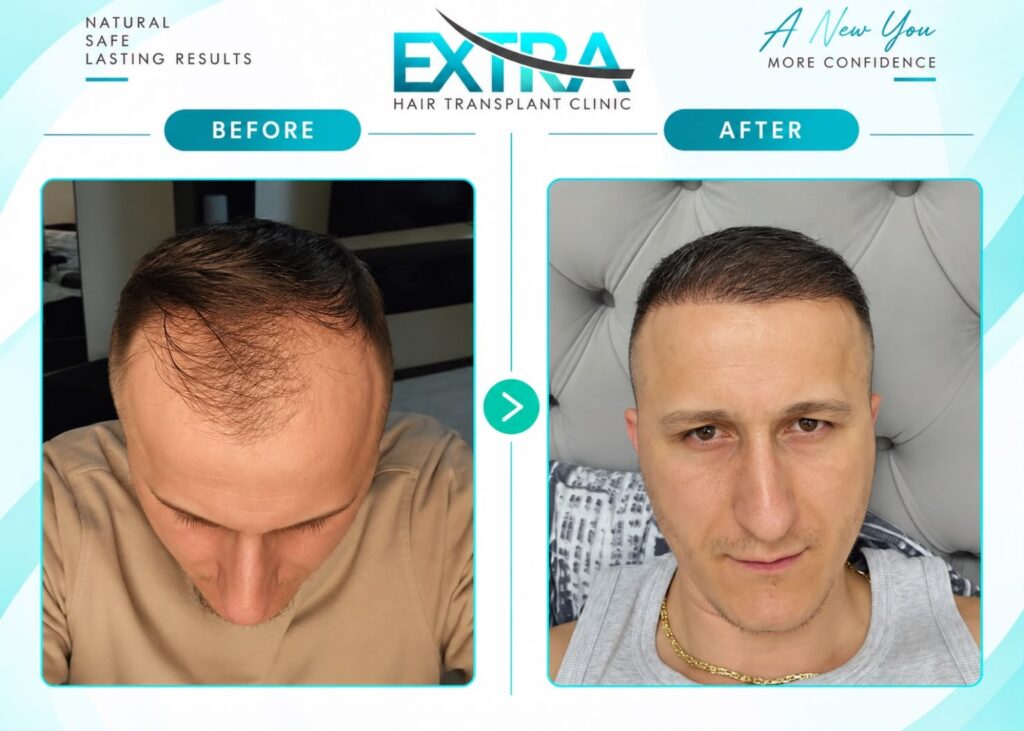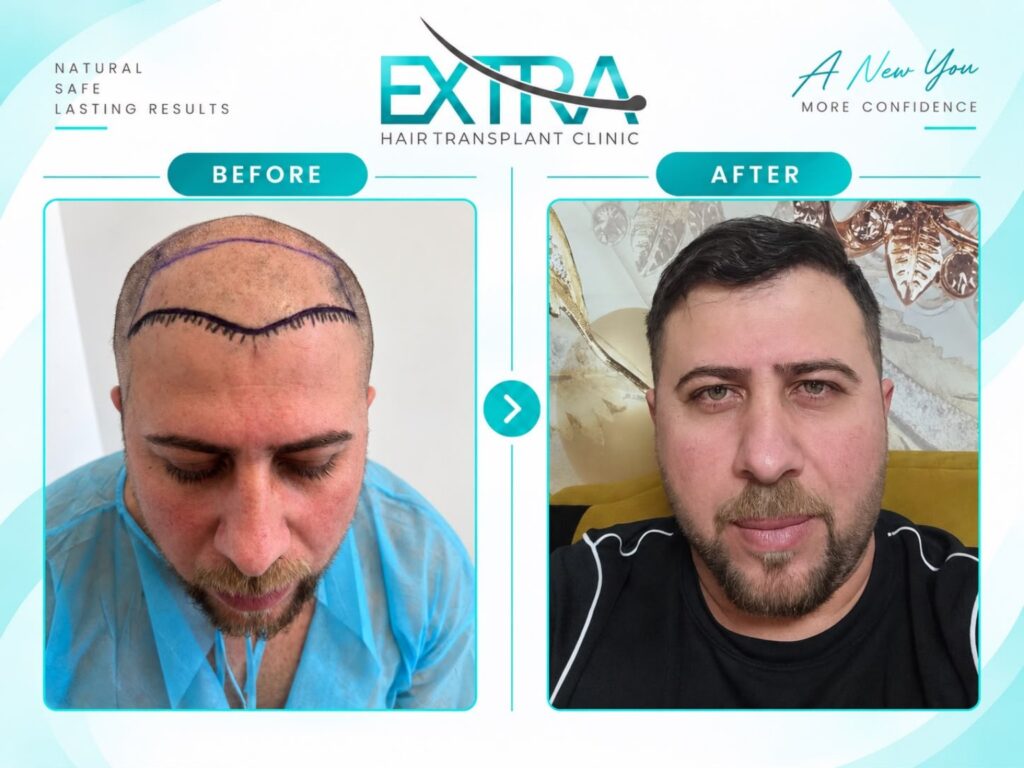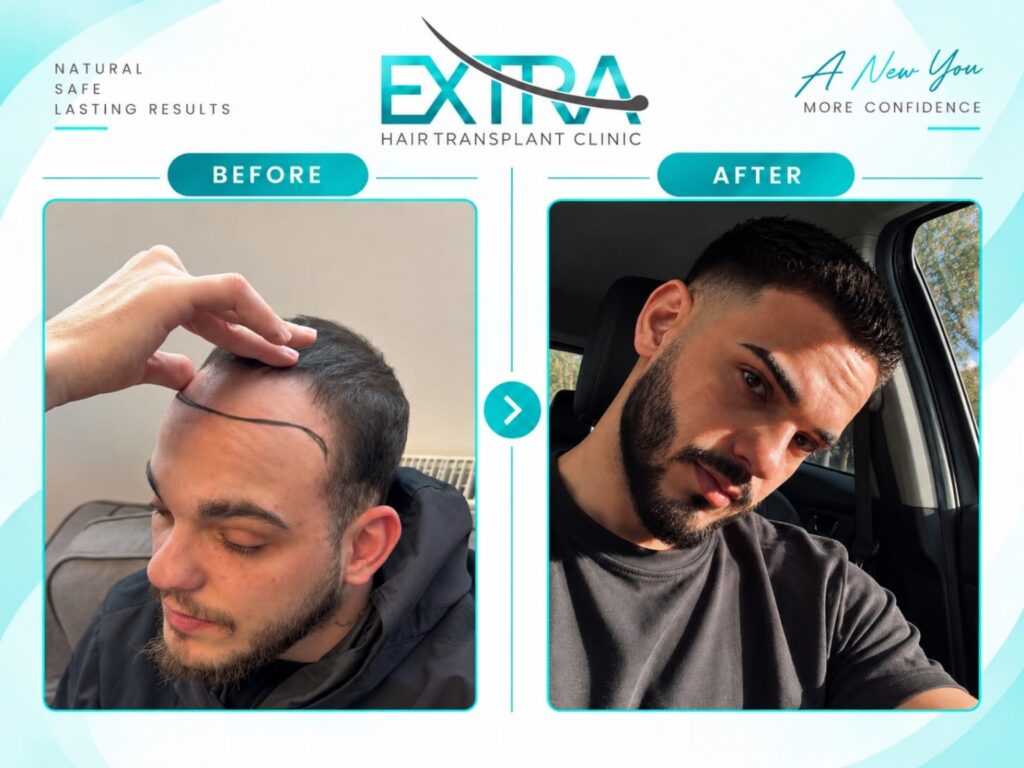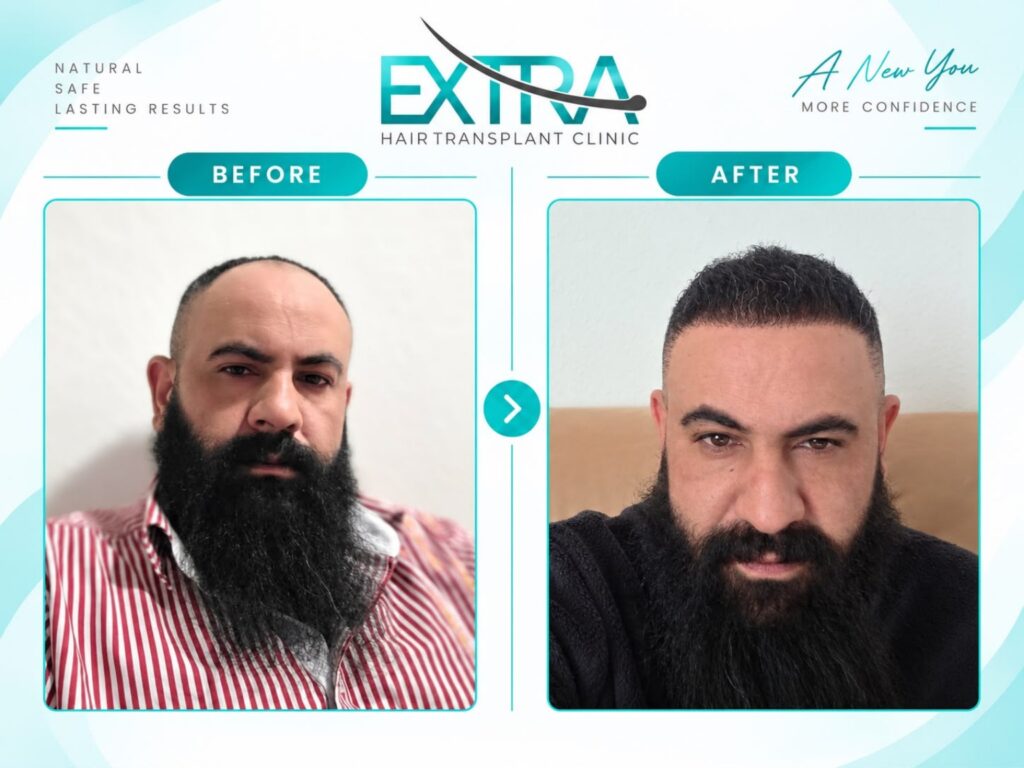
What can a hair transplant realistically change?
When you look at hair restoration results, it is natural to imagine how a different hairline or fuller appearance might feel. Before choosing a procedure, it helps to separate your personal goal from what treatment can reasonably achieve. A useful conversation starts with what matters to you, then explores the medical findings and the limits of the available options.
It moves existing hair
A hair transplant relocates hair from a donor area to an area with thinning or hair loss. It does not create an unlimited supply of new follicles. The donor area contains a finite number of hairs, so treating a larger area can involve a trade-off between coverage and density. Planning needs to take that limitation into account. [1]
Try describing your priorities in everyday terms: “The front concerns me most,” or “I want to understand my options for the crown.” This gives the discussion a clear purpose without assuming that every area can be treated in the same way.
The reason for hair loss comes first
Suitability depends on more than the visible size of a thinning area. An assessment considers whether there is enough healthy donor hair and whether the recipient area can grow hair. A dermatologist may examine the scalp and, when needed, arrange investigations to understand the cause of hair loss. A picture alone cannot replace that assessment. [2]
Ask: “What is causing my hair loss, and how does that affect the recommendation?” Understanding that answer is more useful than selecting a technique before you have been assessed.
Fuller does not mean the same as before
The American Academy of Dermatology explains that a fuller appearance may be a reasonable goal even when restoring a full head of hair is unrealistic. [2] Ask the clinician to explain what improvement they consider achievable for you and what will probably remain unchanged. A clear explanation should address your own starting point rather than rely on another person’s result.
You can bring an example of a look you like as a conversation aid. Treat it as a way to explain a preference, not as a result you have been promised.
The plan needs to account for future change
Hair around the transplanted area may continue to thin. This is why the design needs to consider how the overall appearance could change over time. [3] A clinician may also discuss medical treatment for ongoing hair loss when appropriate. [2]
Ask what the recommendation assumes about future hair loss, what follow-up would involve, and what might lead to a different plan. You do not need to decide on every possible future step during the first conversation.
Results take time, and surgery has risks
Hair growth develops gradually after a transplant, rather than giving an immediate finished appearance. BAPRAS describes growth beginning over the following months, with further changes possible as the hair develops. [1] Request an individual explanation of when progress will be reviewed instead of treating a single online timeline as a deadline.
Risks include bleeding, infection, anaesthetic reactions, noticeable scarring and grafts not taking. Your surgeon should explain these possibilities and how problems would be managed. [3] Ask who will answer your questions after treatment and how you can reach them.
Leave the conversation with answers you understand
Before making a decision, write down three things: the change you hope for, the limitations that have been explained, and anything still unanswered. Request clarification if the proposed plan does not match what you understood. Taking time to consider the information is a reasonable part of choosing your next step.
This article provides general education, not a diagnosis or a personal treatment recommendation. Individual suitability and outcomes require assessment by a qualified clinician.
Your questions are a good place to start.
Tell us what you would like to understand.
Request your free consultation with ÉLAN.
Start the conversation on WhatsApp or through our consultation form.
Considering a consultation in Houston? Visit our Houston hair transplant consultation page for the enquiry process and ÉLAN’s booking partnership with RC + Med.